Table Of Content
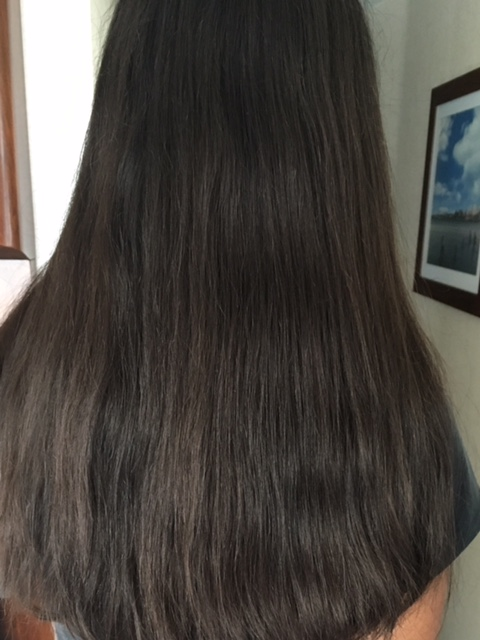
I followed my dermatologist’s instructions to a tee, but I also took matters into my own hands. First and foremost, I felt I could no longer pull off the long, layered waves I'd sported since high school. I made an appointment and chopped my hair into a blunted lob—a style that promised to make my wispy strands appear as thick as possible. An hour later, bleak photo evidence in hand, I finally asked myself, Am I seriously losing my hair? On some level, I think I already knew the answer; you can only ignore a thinning ponytail and clumps of hair in the shower before you start to seriously wonder.
The Best Shampoos for Thinning Hair to Boost Volume and Fullness - Vogue
The Best Shampoos for Thinning Hair to Boost Volume and Fullness.
Posted: Wed, 29 Nov 2023 08:00:00 GMT [source]
What medications/treatments are used to treat telogen effluvium?
It typically happens a couple of months after your body goes through a physical or emotional stress. Hair loss due to TE is usually temporary, but can last up to six months. Your hair often grows back without treatment once that stress is gone. If the causative event is identified by history and has been adequately treated, no further treatment is required.
Medical tools and resources
It is important to remember that a 3-month-lag is always present and because of this lag the patient may come when the cause of TE has already ceased to be active. Second, to assess the severity of hair loss, and, lastly, to monitor its course. In this article, I will discuss a little historical recollection of telogen effluvium (TE), as Albert Kligman named the disorder,1 its classification, clinical presentation, course, and management.
How can chronic TE be distinguished from AGA?
This works well for people with inherited baldness since they typically lose hair on the top of the head. Because some hair loss can be progressive, you may need multiple procedures over time. Male pattern baldness typically involves progressive hair loss above the temples and thinning at the crown of the head, creating an “M” shape. But every time I did remember my reality, the emotions were equally as raw as they were in the first place.
The normal life cycle of scalp hair
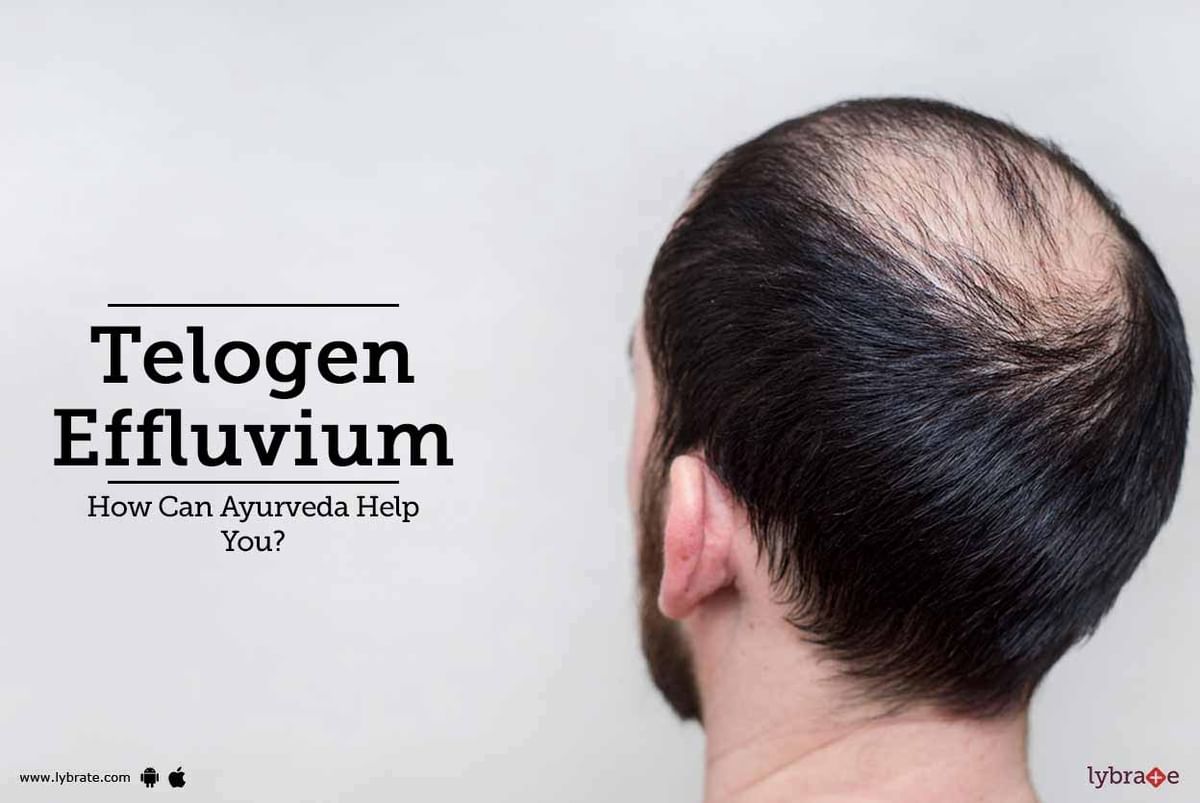
Studies have reported the incidence of telogen effluvium in children to be around 2.7% [6]. Telogen effluvium is a common type of hair loss that affects people after they experience severe stress or a change to their body. Symptoms include thinning hair, usually around the top of your head.
It wasn't long before my doctor's suspicion was confirmed by a dermatologist, who examined my scalp and hair, and then ran a blood test. Again, telogen effluvium is typically a self-limited response to the addition of a stressor to the body. About 95% of patients will fully recover within 2–3 months of the cessation of the stressor. When underlying hormonal issues or nutrient deficiencies cause prolonged shedding beyond 6 months, it is important to address those as well as rule out other systemic or coincident issues. Hormonal imbalances involving the thyroid gland or encountered during pregnancy or menopause can also lead to changes in the body’s metabolic processing.
Stress and Trauma
Topical corticosteroids are employed by dermatologists in the treatment. If the patient reports decreasing trichodynia after the application of topical corticosteroids, it is a sign of the therapy being effective [27]. “This often happens when hairstyles like tight ponytails, braids, or extensions are worn regularly,” Dr Shah explained.
As a child, I would sit on my mum's bedroom floor watching as she styled her short curls with a heated hairbrush and a spritz of mousse. "My little cherub," she called me as I mimicked her, rummaging through her makeup bag to blush my cheeks and experiment with her styling products. When I wasn't clip-clopping in my mum's stilettos, I was usually hand-in-hand with my grandmother. She had little interest in makeup, which, truthfully, I loved about her. And if you get your stress under control, your hair might grow back. Beyond the shock of the disease, is there something about the new coronavirus that may specifically cause or contribute to the hair loss?
Top doctors in ,
Some research connects excess intake of vitamin A or selenium with an increased risks for hair loss. Any information you can provide about how quickly the hair loss occurred, along with any family history of baldness, will also be helpful. Over-the-counter (OTC) medications generally consist of topical creams, gels, solutions, or foams that you apply directly to the scalp. There’s a range of treatment options for hair loss, but the best option for you will depend on what’s causing your hair loss. Because so many things can cause hair loss, it’s best to schedule an appointment with a medical professional if you notice any changes in your hair. While it’s more prevalent in older adults, anyone can experience it, including children.
They will look at other indicators of hair health, such as the appearance of the scalp, any patches of hair loss, or more generalized hair thinning. The main telogen effluvium symptom is an increase in the amount of hair a person sheds. It is a form of temporary hair loss that usually happens after stress, a shock, or a traumatic event. The histopathology of the acute forms is non-specific and resembles that of normal scalp.52 In chronic TE, only an increased number of telogen hairs is detected. This may be due to a belated biopsy, namely when the noxious event is no longer active because of the well-known three-month lag.
Sometimes, the rate of shedding slows down but does not stop entirely. In most cases, a person will not lose more than 50% of their hair. Chronic telogen effluvium refers to frequent periods of hair shedding over several months. After the three- to six-month shedding period, you’ll notice new hair growth in your affected areas. “Although stress by itself does not directly cause hair loss, it can contribute to other hair loss conditions such as telogen effluvium,” Dr Shah explained. “A lack of essential vitamins and minerals such as iron, zinc and vitamin D can contribute to hair loss, particularly if you are experiencing an iron deficiency.
“But I would say that given that we’re seeing this huge amount of telogen effluvium in patients who didn’t have COVID, there’s also a lot of stress involved,” she noted. Dr. Marc Glashofer, a hair loss expert with The Derm Group in West Orange, New Jersey, has recently noticed an overall increase in telogen effluvium cases at his practice. This has all been a stark reminder to take care of my mental health and always listen to my gut. I may never enjoy the long, thick tresses of my late teens and early 20s again, but after this experience, I’ll happily settle for healthy hair that evenly covers my scalp. I also made the difficult decision to go off birth control after over a decade of taking the pill. While this was and is purely speculation, I felt the hair loss kicked into high gear when I switched to Larissia after being on Sprintec for 13 of the 14 years.
It can also develop from hairstyles that pull on the hair or from harsh hair care products. The main symptom of telogen effluvium is an increase in the amount of hair a person sheds. MWT is indispensable first to know whether the shedding is actually present.


No comments:
Post a Comment